


Commercial -
Infrastructure Lays the Ground for Growth
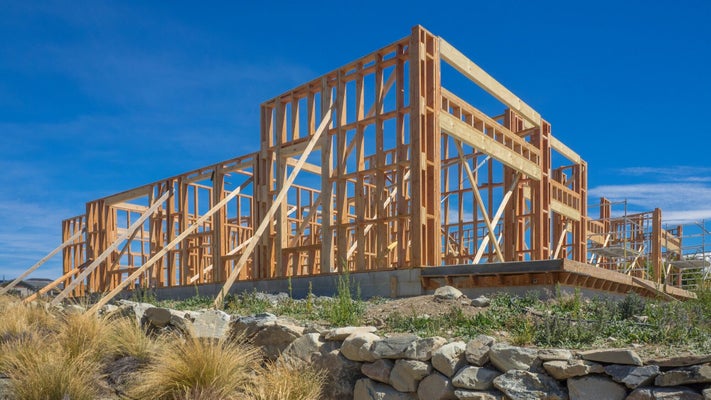
New Zealand’s land development market is returning to activity, but not in a way that follows traditional cycles, according to Bayleys Real Estate.
The agency’s latest New Zealand Development Land Market Update report shows a sector moving again, but with capital deployed earlier, more selectively and increasingly dictated by infrastructure rather than demand alone.
Bayleys Land Development Sales director Wesley Gerber says the current environment reflects a market in recalibration rather than recovery.
“Activity is returning, but it’s conditional. Capital is there, but it’s disciplined. Buyers are targeting opportunities where pricing reflects reality, and where there’s a clear pathway to delivery.”
Across key urban and regional markets, residential sales volumes have normalised and developer sentiment is improving. However, pricing across both land and end product remains largely flat, held in place by a still-elevated pipeline of housing supply and a cautious capital environment.
For Bayleys Insights, Data & Consulting analyst Samantha Lee, that disconnect is defining behaviour.
“Activity is improving, but pricing hasn’t followed yet. That’s creating a window for well-capitalised, disciplined groups to position themselves ahead of the next marketing leg.
“Developers are positioning for where the market is going, not where it is today. The lift in building consents over the past 12 months is an early signal of that shift,” Lee says.
Gerber says transaction evidence supports the trend, with deals increasingly concentrated in locations where infrastructure capacity, planning certainty and delivery timeframes have already aligned.
“Growth is no longer simply a function of zoning or demand; it’s a function of deliverability. Where infrastructure is in place or clearly funded, activity is occurring.”
That dynamic is reshaping site selection, pricing and capital allocation, with developers placing greater weight on servicing capacity and programme certainty than in previous cycles.
Government policy settings, including the Fast-track Approvals Act (FTAA) and proposed reforms to the Resource Management Act (RMA), are playing a central role in shaping the next phase of development, with an emphasis on improving consenting efficiency and unlocking additional land supply to better align infrastructure provision with growth.
Gerber says changes to the planning system are increasingly influencing development decisions, particularly around certainty, timing and infrastructure alignment.
“Any measures that improve certainty, reduce delays and bring infrastructure and planning together more effectively are a positive step. The key will be how consistently and efficiently they are applied across the system.”
For Bayleys, these combined forces suggest a development cycle that is more measured, more selective, and ultimately more sustainable.
“This is not a momentum-driven recovery. It’s led by conviction, selectivity and a clear line of sight to delivery,” Gerber says.
“Over the next 12 months, we expect activity to continue building ahead of pricing. Growth will follow infrastructure – and those with the clarity and capability to deliver will lead the next phase of the cycle.”
Contact us


